90% vs 68%
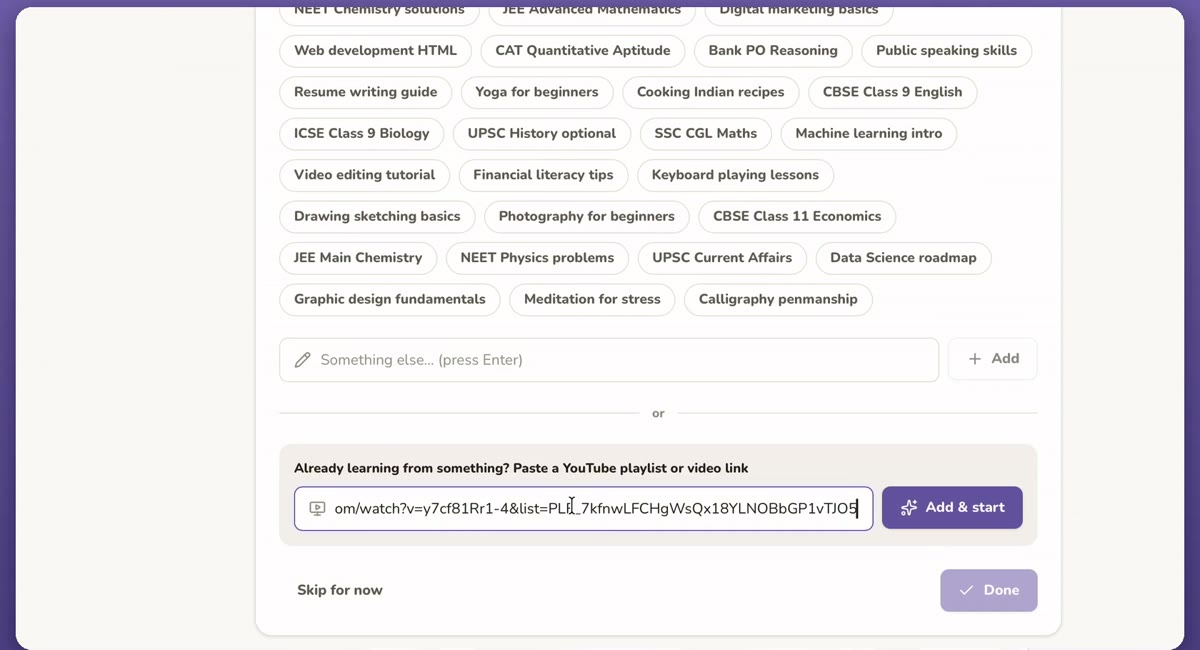
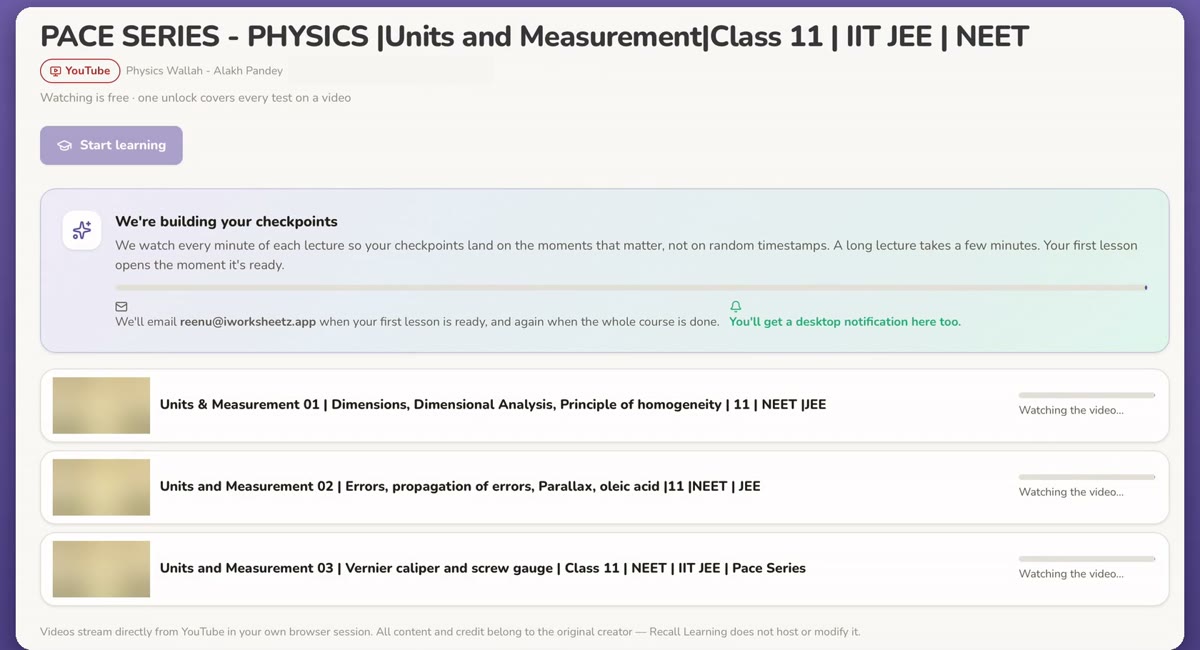
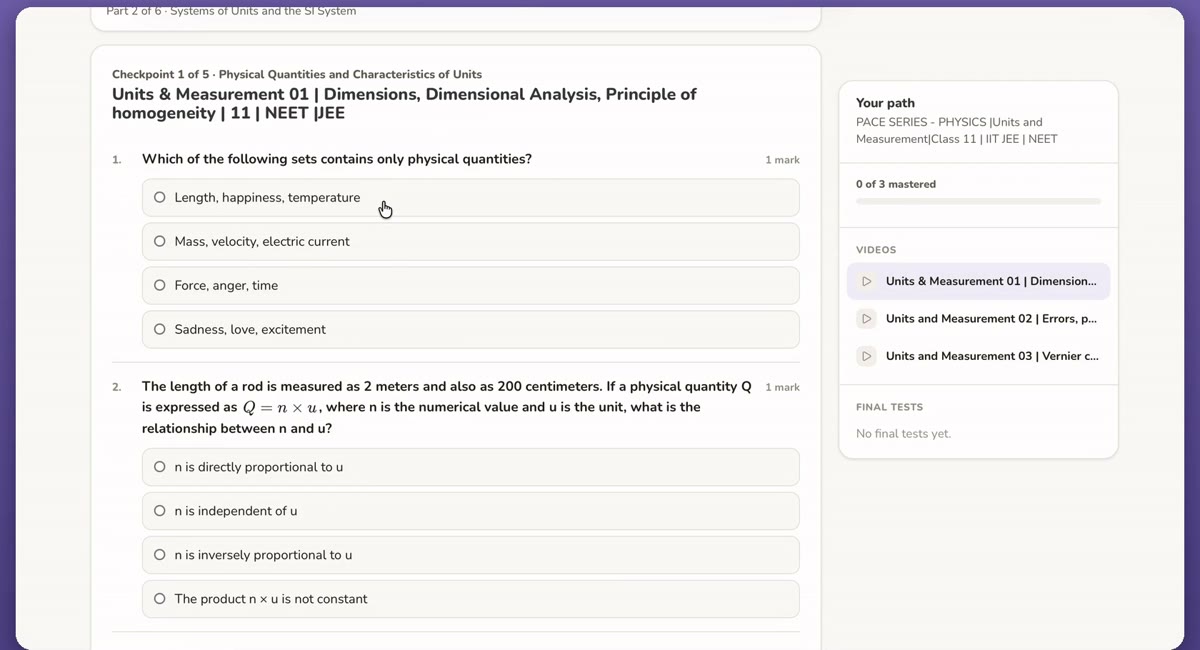
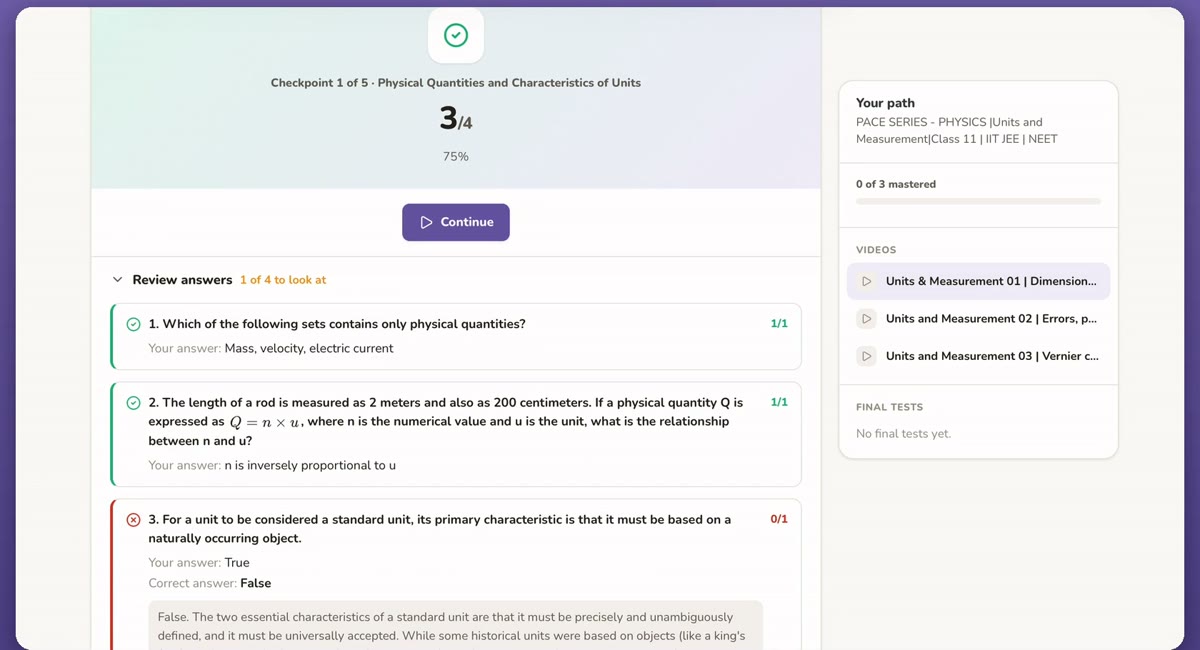
Final test scores when an online lecture was broken up by short tests, versus students who weren’t tested. Mind-wandering roughly halved (19% vs 41%) and tested students took about 3× the notes (24% vs 7% of slides). Re-studying the material instead of being tested didn’t help.
Harvard lab study, 80 students · Szpunar, Khan & Schacter · PNAS · 2013
Learned more, felt less
Harvard physics students taught actively scored higher — but felt they had learned less. Actual learning and the feeling of learning were anticorrelated.
149 students · Deslauriers et al. · PNAS · 2019
Confident ≠ learned
A fluent, confident instructor video made students more confident they’d learned — but they didn’t learn any more.
Instructor fluency experiment · Carpenter et al. · Psychonomic Bulletin & Review · 2013
≈ ½ SD
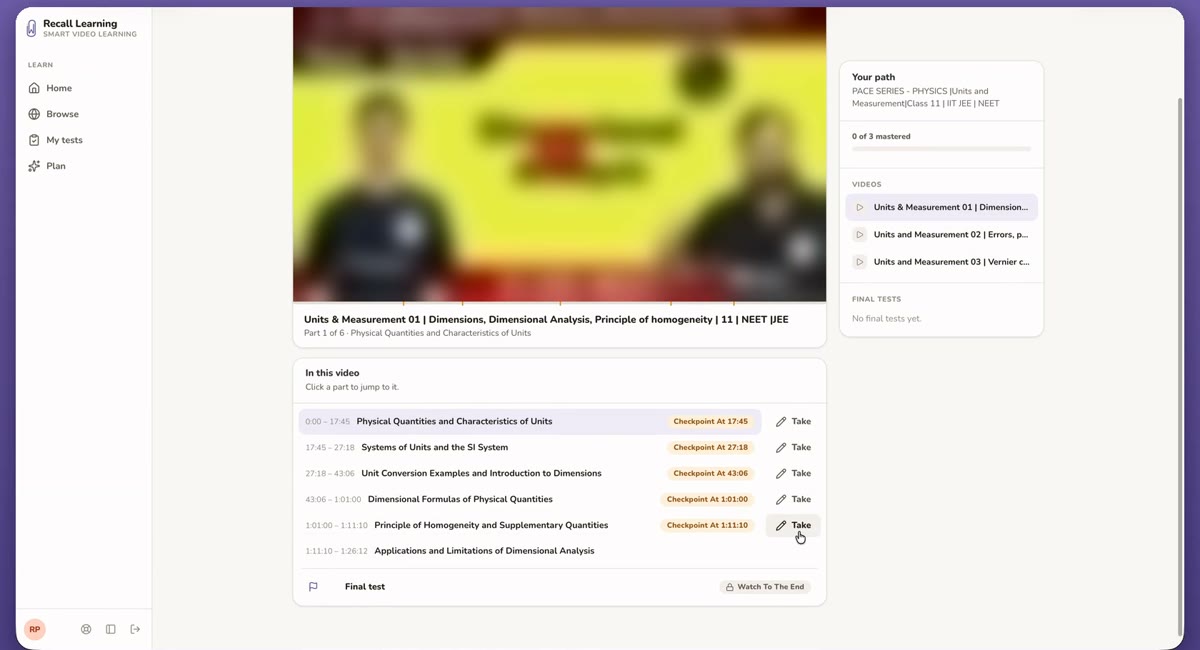
Classroom quizzing raised achievement by about half a standard deviation — from elementary school to university, across 18+ subjects. Bigger with feedback and repeated quizzes.
Meta-analysis: 222 studies, 48,478 students · Yang et al. · Psychological Bulletin · 2021
55× more rewinds
74% of learners attempted in-video quizzes — more than the 66% who finished the videos. Rewinds were 55× more frequent right after a quiz, and 76.5% of wrong answers were corrected within 30 minutes.
96,195 Coursera learners · Kovacs · ACM Learning @ Scale · 2016